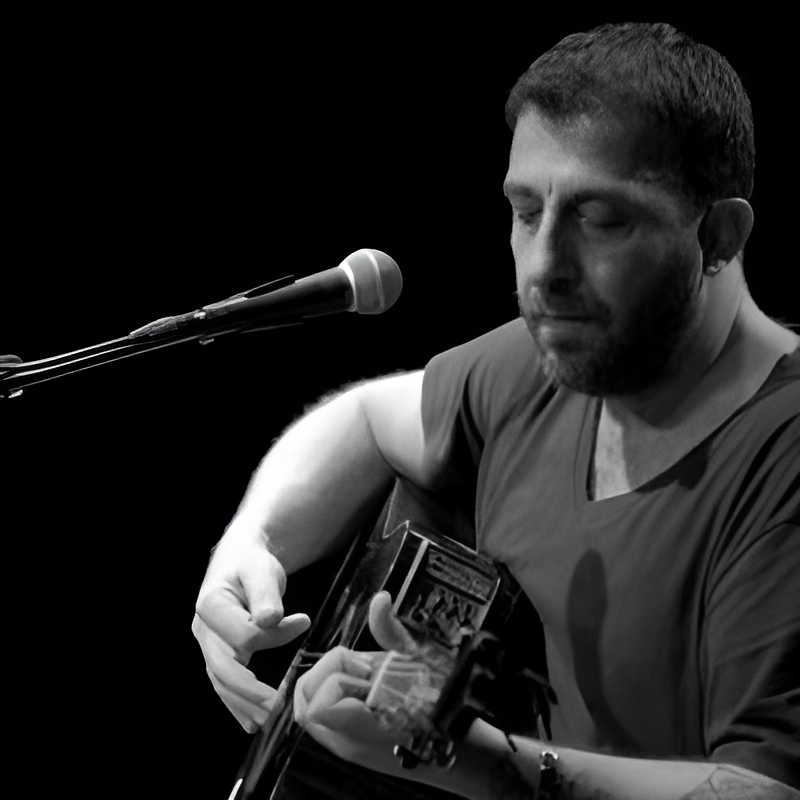
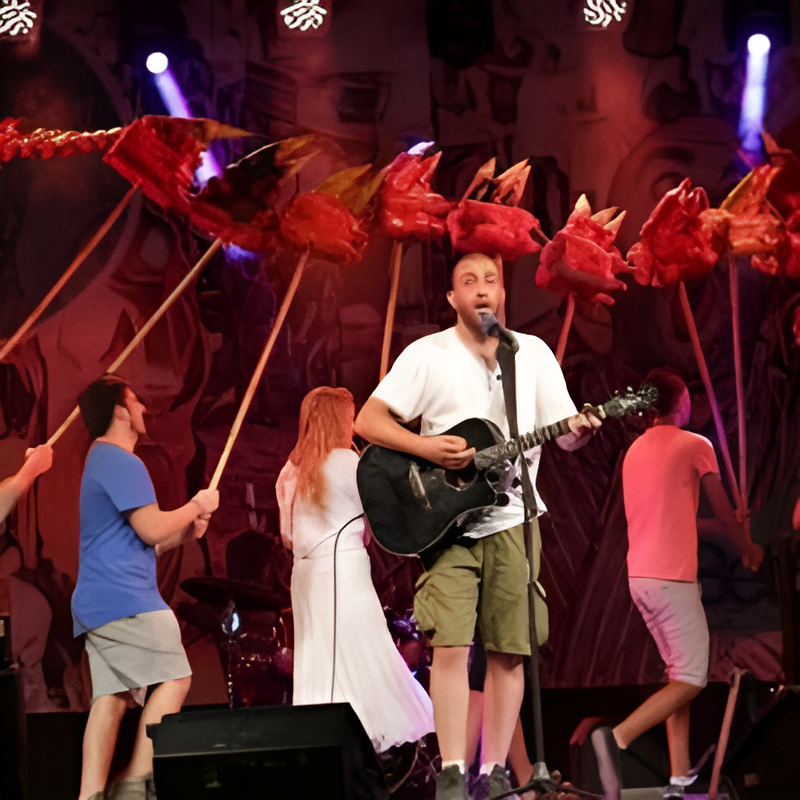
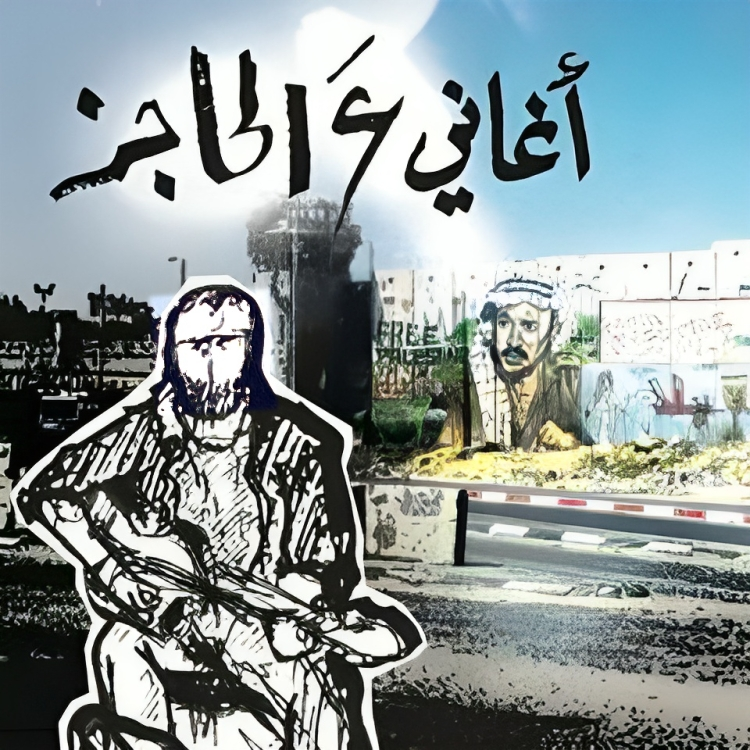
For the past fifteen years, I've worked — perhaps without much of a plan — to create a new branch of Palestinian song: contemporary in its sound, modern in its language, yet rooted deeply in Palestinian human and political reality.
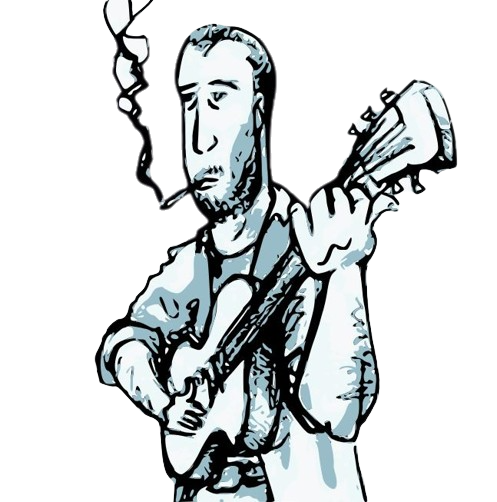
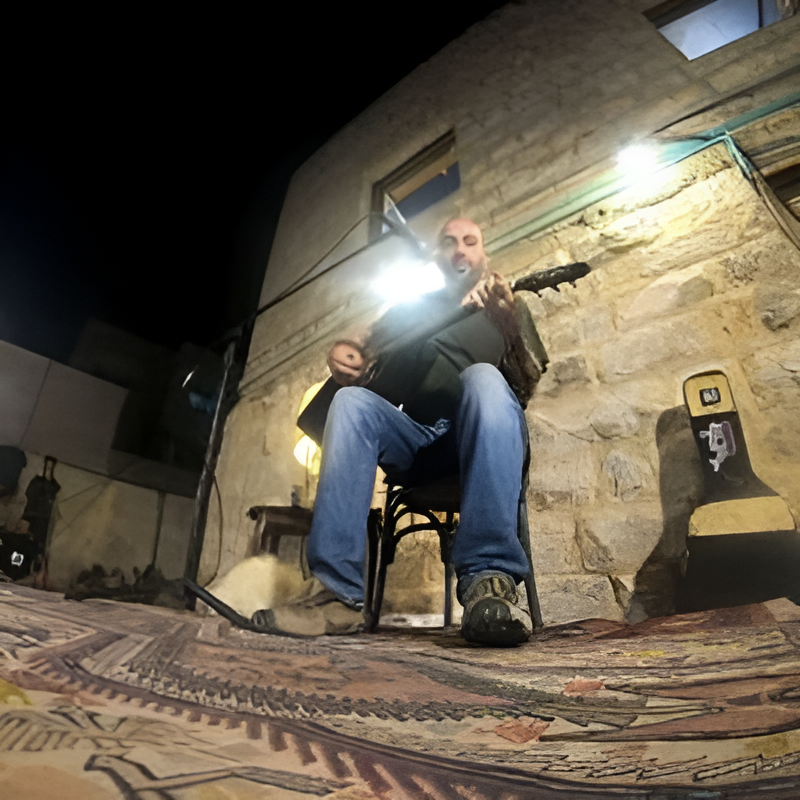
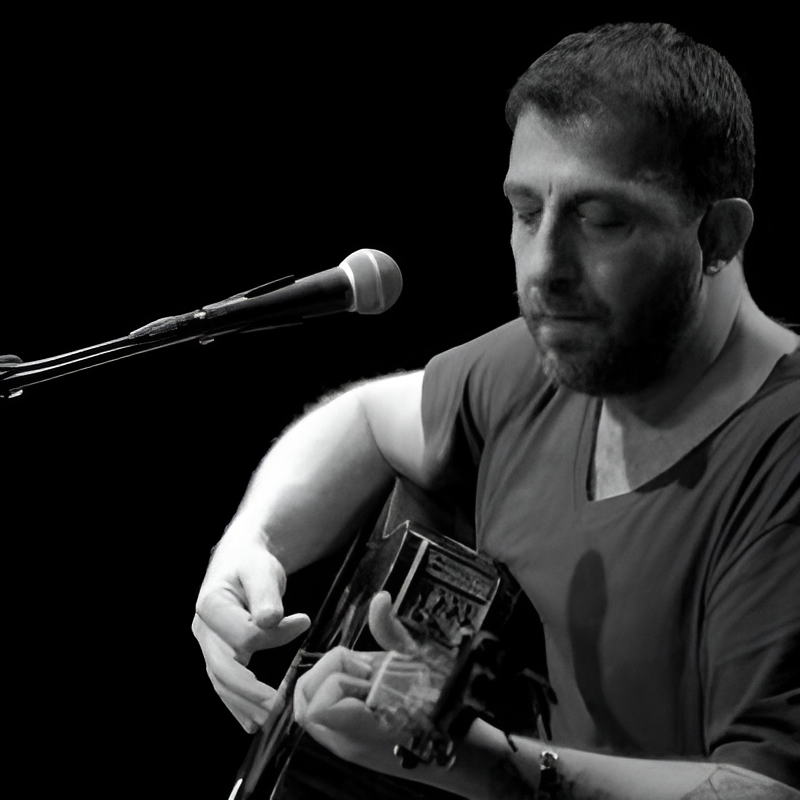
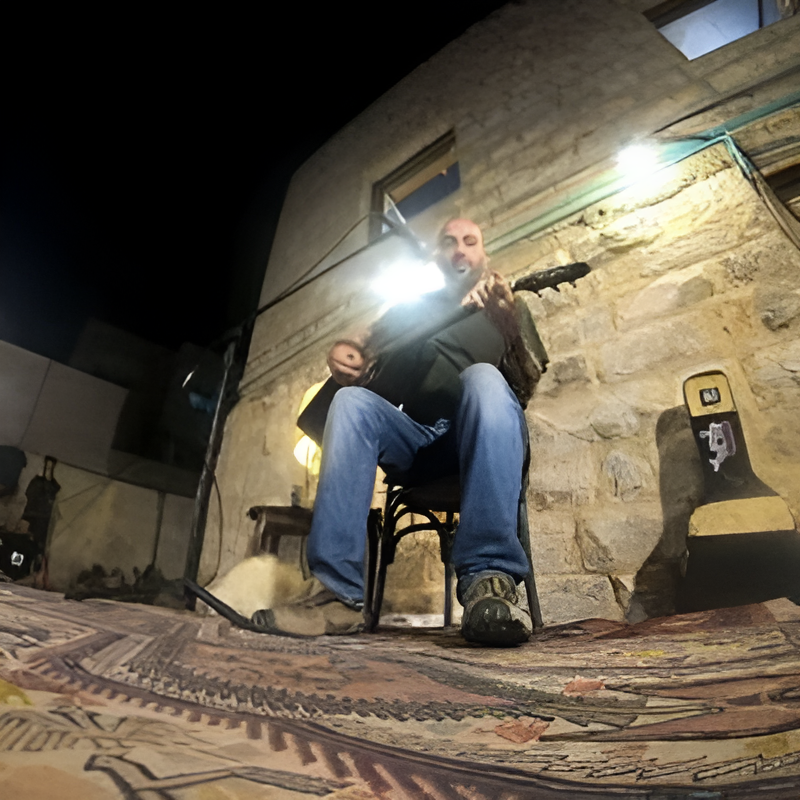
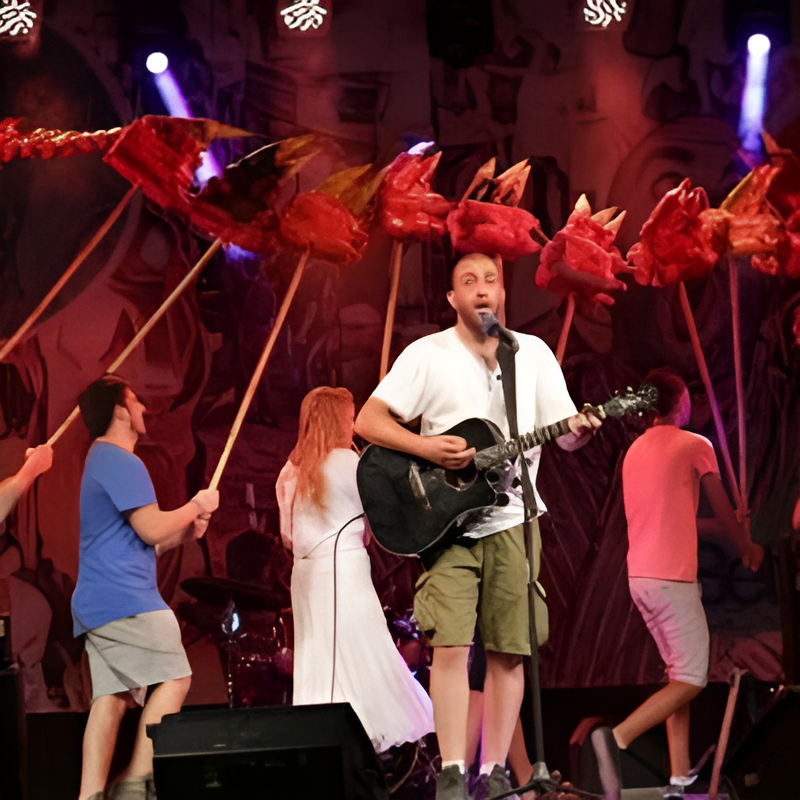
I start from the idea that a song isn't just entertainment, but a tool for understanding reality and shaping it. So I don't just revisit the past — I try to build a different present. In my music, the guitar — through the one playing it — escapes the classical balcony and lands in the middle of the street.
I blend multiple influences: blues, Latin American protest song, the tradition of Sheikh Imam, alongside my family's musical inheritance — to offer a musical language that places Palestinian song in a global context without losing its identity.
In the Palestinian condition, art becomes a basic need, not a luxury. I don't have final answers about the relationship between song and return, but I believe that telling the story, keeping the memory, and making a free voice heard are all forms of resistance. In that sense, a song can be one possible path home.
Alongside my music, I've tried to build independent artistic spaces free from funding conditions and imposed frameworks — I founded and ran cultural spaces like "Bar Al-Maghara" in Ramallah, an open home for free experimentation and live performance, a platform for artists outside commercial and institutional constraints.
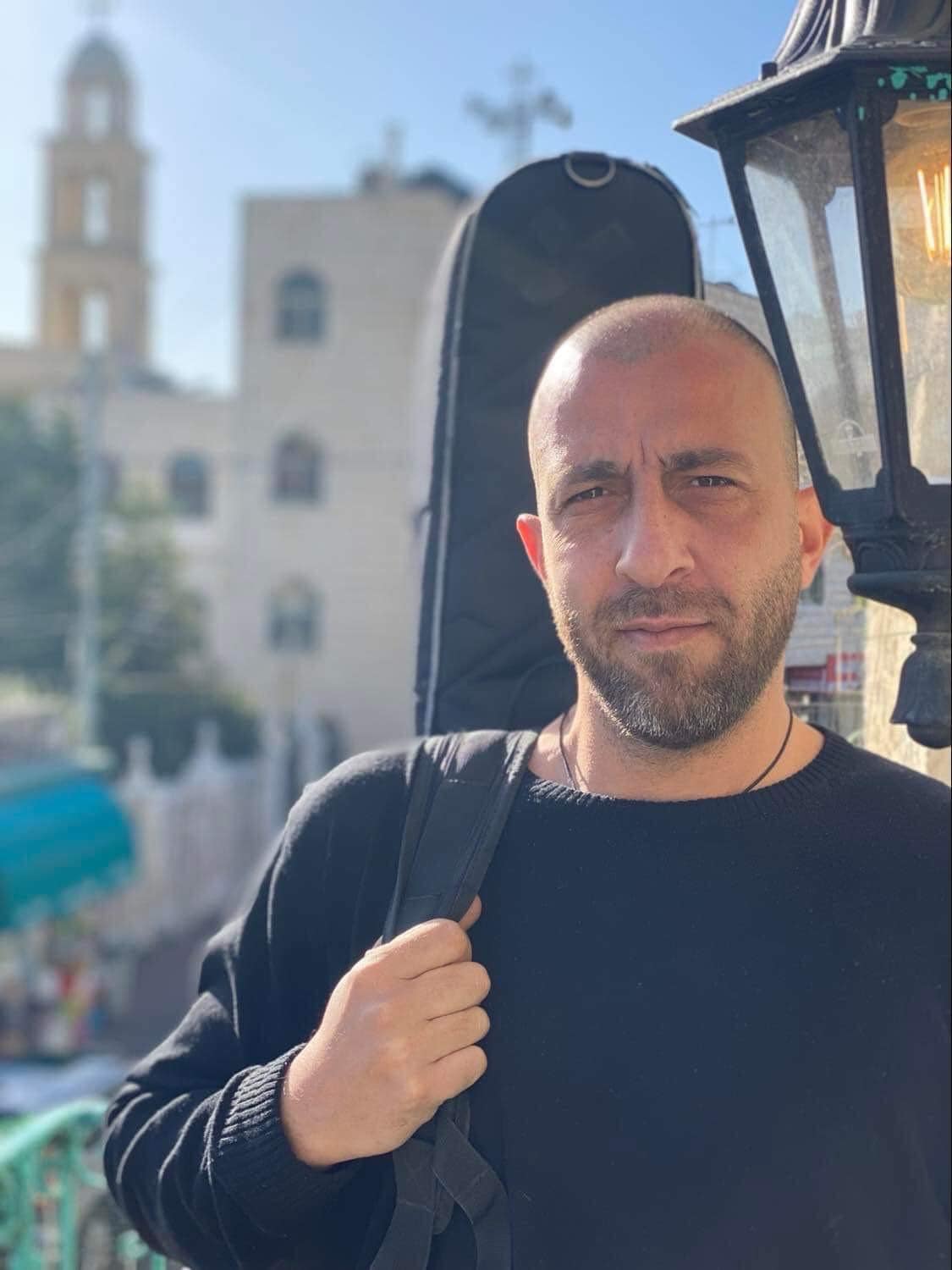
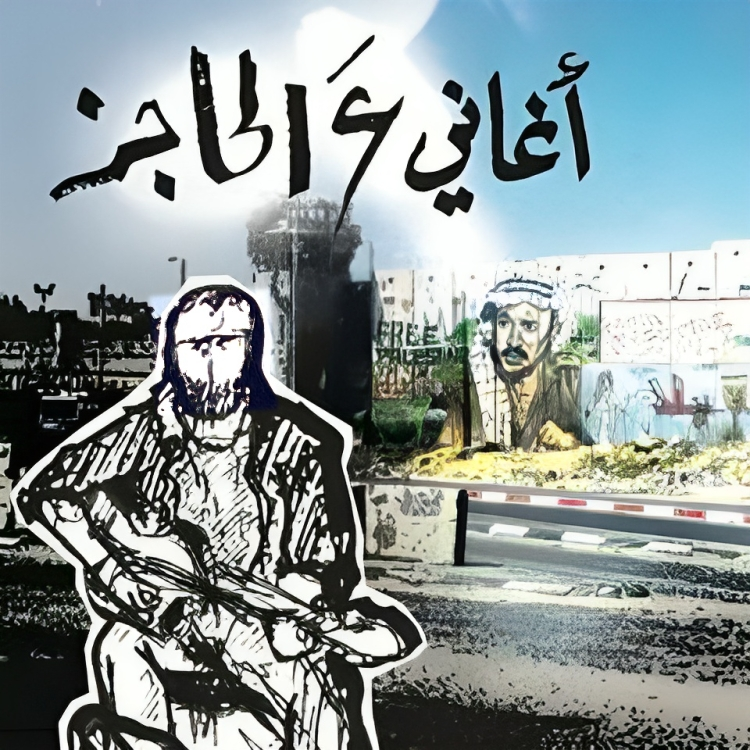
Moving instruments across borders was never easy — on the road to Palestine, and then out of it. Living inside and outside the Palestinian reality enriched that journey; it produced five albums along the way, and I'm currently working on several projects across a few cities, where my stories cross paths with others' — others fleeing a homeland, any homeland, or fleeing toward one.
Poetry runs in the family — his grandfather Khalil Zaqtan was a classical poet, and his father Ghassan Zaqtan is one of the leading voices in modern Arabic poetry.